Architectural Challenges in Creating Flexible Workspaces
The demand for flexible workspaces presents architects with a unique set of challenges as they strive to create environments that can easily adapt to the changing needs of users. From structural considerations to spatial configurations, designing for flexibility requires innovative solutions that anticipate future requirements while maintaining functionality and aesthetic appeal. In this excerpt, we explore the architectural challenges inherent in creating flexible workspaces, examining how architects navigate issues such as scalability, modularity, and technological integration to craft dynamic environments that empower individuals and organizations to thrive in an ever-evolving work landscape.
 Architecture
In the quest to design dynamic and adaptable work environments, architects face a myriad of challenges when creating flexible workspaces. From structural limitations and spatial constraints to acoustic considerations and technological integration, architects must navigate a complex landscape of requirements to deliver spaces that can evolve with the ever-changing needs of modern professionals. Let's explore some of the key architectural challenges in creating flexible workspaces and how innovative design solutions are overcoming these obstacles to create inspiring and functional environments for coworking spaces.
- Spatial Flexibility: Designing for Multipurpose Use
One of the primary challenges in creating flexible workspaces lies in designing for spatial flexibility—that is, creating environments that can easily adapt to a wide range of activities, functions, and configurations. From accommodating individual workstations and small group meetings to hosting large events and workshops, flexible workspaces must be able to seamlessly transition between different modes of use without compromising functionality or user experience.
The challenge for architects lies in striking the right balance between openness and enclosure, allowing for both collaboration and privacy within the same space. This requires careful consideration of spatial layouts, furniture arrangements, and architectural elements that can be easily reconfigured to accommodate changing needs and preferences.
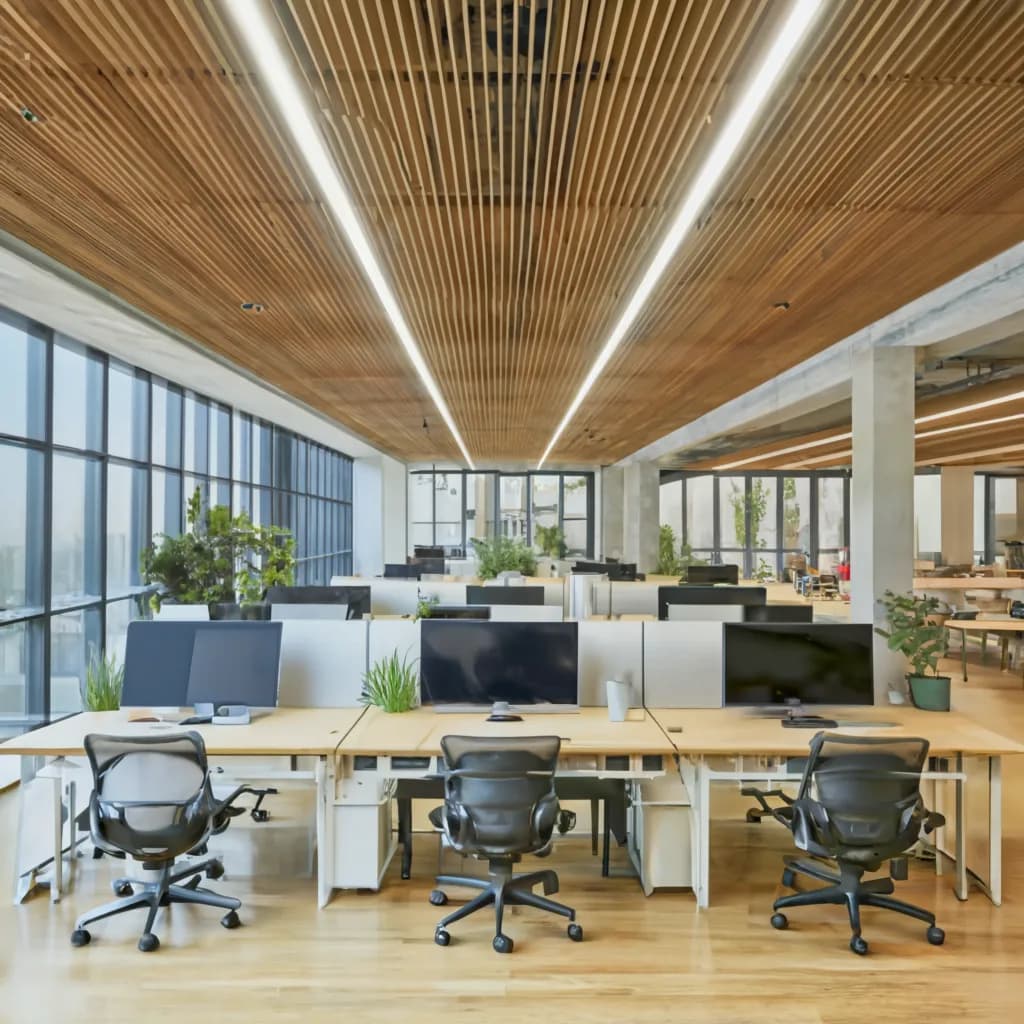
One innovative approach to spatial flexibility is the use of modular furniture and movable partitions that can be rearranged to create different zones within the workspace. For example, lightweight screens and sliding panels can be used to divide open-plan areas into smaller pods or meeting rooms, while flexible seating options such as nesting chairs and height-adjustable desks provide versatility and adaptability for users.
Moreover, architects must also consider the impact of spatial design on acoustic performance and environmental comfort. By incorporating sound-absorbing materials, acoustic baffles, and strategic placement of furniture, architects can mitigate noise levels and create comfortable and productive work environments for occupants.
By addressing the challenge of spatial flexibility head-on, architects can create dynamic and adaptable workspaces that empower users to customize their environment according to their tasks, preferences, and moods, fostering creativity, collaboration, and innovation.
- Integration of Technology: Balancing Connectivity and Aesthetics
In today's digital age, technology plays a crucial role in enabling flexibility and connectivity within coworking spaces. However, integrating technology into architectural design presents its own set of challenges, particularly when it comes to balancing functionality with aesthetics and preserving the visual integrity of the space.
One of the primary challenges architects face is ensuring that technology infrastructure is seamlessly integrated into the built environment without detracting from the overall design aesthetic. From power outlets and data ports to Wi-Fi access points and AV systems, architects must carefully plan and coordinate the placement of technology components to minimize visual clutter and maintain a clean and cohesive aesthetic.
Moreover, architects must also consider the future-proofing of technology infrastructure, ensuring that it can easily accommodate emerging technologies and evolving user needs. This requires careful planning and coordination with IT consultants and service providers to design flexible and scalable solutions that can adapt to changing requirements over time.
Another challenge is the integration of technology-driven features such as smart lighting, environmental controls, and digital signage into architectural design. While these features offer opportunities to enhance user experience and improve operational efficiency, architects must carefully consider their impact on spatial aesthetics and user comfort, ensuring that they complement rather than detract from the overall design vision.
By embracing innovative design solutions and leveraging advancements in technology, architects can overcome the challenges of integrating technology into flexible workspaces, creating environments that seamlessly blend functionality, connectivity, and aesthetics to meet the needs of modern professionals.
In conclusion, creating flexible workspaces presents a unique set of architectural challenges that require innovative thinking, creative problem-solving, and collaboration across disciplines. From addressing spatial flexibility and acoustic considerations to integrating technology infrastructure and digital features, architects play a crucial role in shaping the future of coworking spaces. By embracing these challenges and exploring new design solutions, architects can create inspiring and functional environments that empower users to work, collaborate, and thrive in the ever-changing landscape of modern work.