Maximizing Space Efficiency in Serviced Offices
Efficient space utilization is paramount in serviced offices, where flexibility and functionality are key to meeting the diverse needs of tenants. By employing strategic design principles and innovative solutions, such as modular furniture and flexible layouts, serviced office providers can make the most of every square foot, enhancing productivity and user experience. In this excerpt, we delve into the strategies and techniques for maximizing space efficiency in serviced offices, exploring how thoughtful design choices can optimize workflow, foster collaboration, and create an environment tailored to the evolving demands of modern workspaces.
 Architecture
In the fast-paced world of serviced offices, space efficiency is paramount. These dynamic work environments must strike a delicate balance between functionality, flexibility, and comfort to accommodate diverse needs and preferences. By optimizing spatial layouts, utilizing innovative design strategies, and embracing technology, serviced offices can maximize every square foot to create productive, inspiring, and adaptable workspaces. Let's explore some effective strategies for maximizing space efficiency in serviced offices, empowering businesses to make the most of their valuable real estate.
- Smart Spatial Planning: Designing for Flexibility and Flow
At the heart of space efficiency lies smart spatial planning—an artful balance of form and function that optimizes the layout of serviced offices to maximize usability and minimize wasted space. By carefully considering the needs and workflows of occupants, designers can create environments that seamlessly adapt to changing requirements while promoting productivity and collaboration.
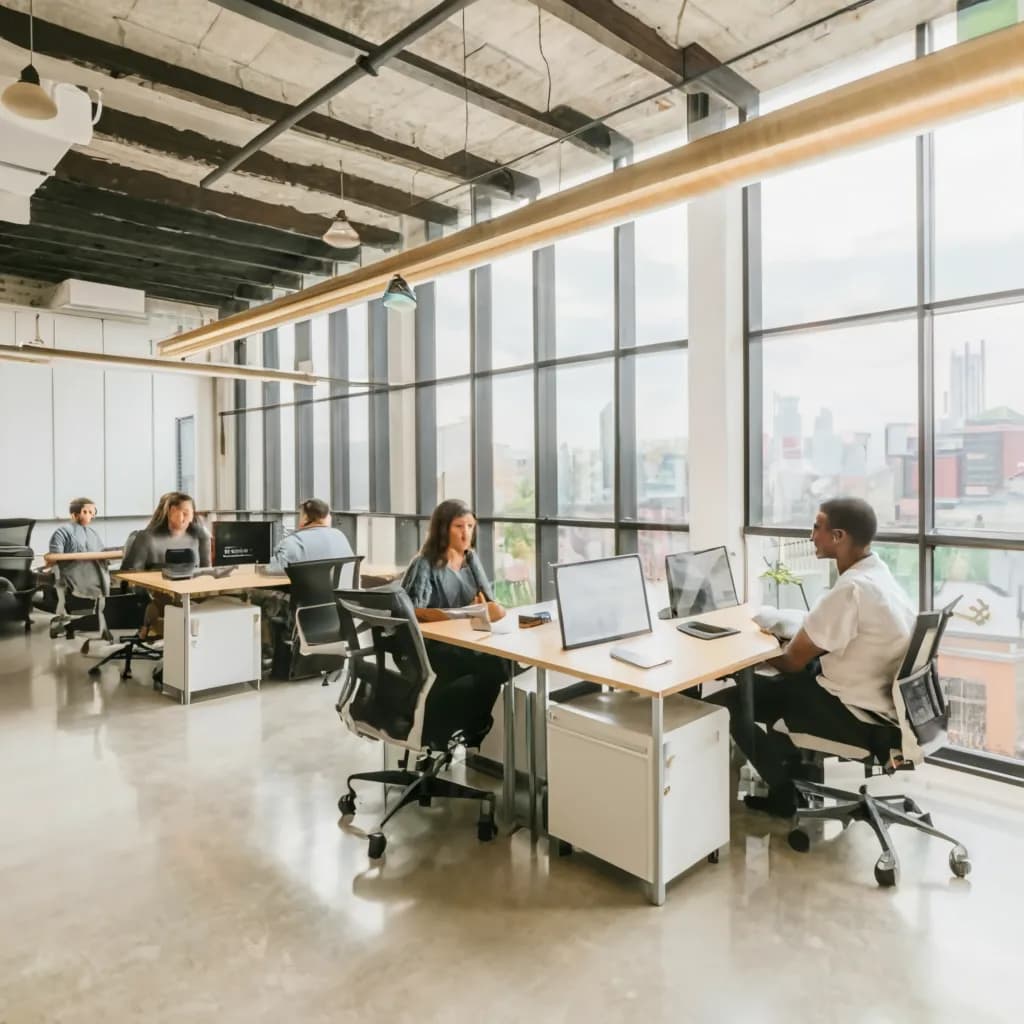
Imagine walking into a serviced office with a thoughtfully designed floor plan that balances open work areas with private zones, communal spaces with quiet retreats, and collaborative hubs with focused workstations. This strategic allocation of space not only caters to diverse workstyles and preferences but also fosters a sense of balance, harmony, and flow throughout the workspace.
One effective approach to smart spatial planning is the concept of activity-based zoning, where different areas are designated for specific tasks and activities. For example, open-plan areas may be ideal for collaborative work and brainstorming sessions, while enclosed pods or phone booths offer privacy for focused tasks or confidential meetings. By delineating these zones through subtle architectural cues—such as varying ceiling heights, color schemes, and furniture arrangements—serviced offices can create a cohesive and intuitive environment that supports productivity and well-being.
Moreover, flexible furniture solutions, such as modular desks, movable partitions, and nesting chairs, enable occupants to reconfigure their workspace on-demand, adapting to evolving needs and preferences. This versatility not only maximizes space efficiency but also empowers individuals to personalize their environment, fostering a sense of ownership and autonomy.
By embracing smart spatial planning, serviced offices can optimize every square foot to create dynamic, adaptable, and user-centric work environments that inspire creativity, collaboration, and success.
- Innovative Storage Solutions: Streamlining Organization and Accessibility
In the quest for space efficiency, effective storage solutions play a crucial role in maximizing usable space while maintaining a clutter-free and organized environment. From vertical storage systems and multifunctional furniture to digital document management tools, serviced offices can leverage innovative storage solutions to streamline organization and accessibility, freeing up valuable real estate for productive use.
Imagine entering a serviced office where every inch of space is thoughtfully utilized for storage, from wall-mounted shelves and overhead cabinets to hidden compartments and under-desk drawers. By maximizing vertical space and minimizing footprint, these innovative storage solutions enable occupants to keep their workspace tidy and organized, reducing distractions and enhancing productivity.
One popular trend in storage optimization is the integration of flexible storage units that can adapt to the changing needs of occupants. For example, movable cabinets on casters allow for easy reconfiguration of space, while modular shelving systems can be customized to accommodate various items, from books and files to personal belongings and office supplies. By providing versatile storage options that evolve with the needs of users, serviced offices can maximize efficiency while promoting flexibility and adaptability.
Moreover, digital storage solutions, such as cloud-based document management platforms and digital filing systems, offer a paperless alternative to traditional file cabinets and storage closets. By digitizing documents and files, serviced offices not only reduce clutter and physical storage requirements but also enhance accessibility and collaboration, allowing users to access and share information seamlessly from any device, anywhere, anytime.
In conclusion, maximizing space efficiency in serviced offices requires a holistic approach that encompasses smart spatial planning, innovative storage solutions, and user-centric design principles. By optimizing spatial layouts, embracing flexible furniture solutions, and leveraging digital storage technologies, serviced offices can create dynamic, adaptable, and productive work environments that empower businesses to thrive in the modern world. As the demand for flexible and sustainable workspaces continues to grow, expect to see even more creative and innovative solutions for maximizing space efficiency in serviced offices, driving positive change and innovation in the workplace landscape.