The Role of Architecture in Creating Collaborative Workspaces
Architecture serves as the foundation upon which collaborative workspaces are built, shaping the physical environment in ways that encourage interaction, creativity, and innovation. Through thoughtful spatial planning, dynamic layouts, and strategic use of materials, architects can design spaces that inspire collaboration and foster a sense of community among coworkers. In this excerpt, we explore the pivotal role of architecture in creating collaborative workspaces, highlighting how design elements such as open floor plans, shared amenities, and informal gathering spaces can cultivate a culture of teamwork and idea exchange, ultimately driving success in today's collaborative economy.
 Architecture
In the ever-evolving landscape of modern work, collaboration has emerged as a cornerstone of success, driving innovation, creativity, and productivity. As businesses seek to foster a culture of collaboration, the role of architecture in creating collaborative workspaces has never been more crucial. From open-plan layouts and flexible environments to intentional design elements that promote interaction and communication, architecture plays a pivotal role in shaping the way we work together. Let's explore how thoughtful architectural design can transform ordinary spaces into vibrant hubs of collaboration and creativity.
- Open-Plan Layouts: Fostering Connectivity and Communication
At the heart of collaborative workspaces lies the concept of open-plan layouts—an architectural approach that emphasizes transparency, accessibility, and shared spaces. Unlike traditional office layouts characterized by cubicles and closed-off offices, open-plan environments remove physical barriers and encourage spontaneous interaction, fostering a sense of connectivity and community among occupants.
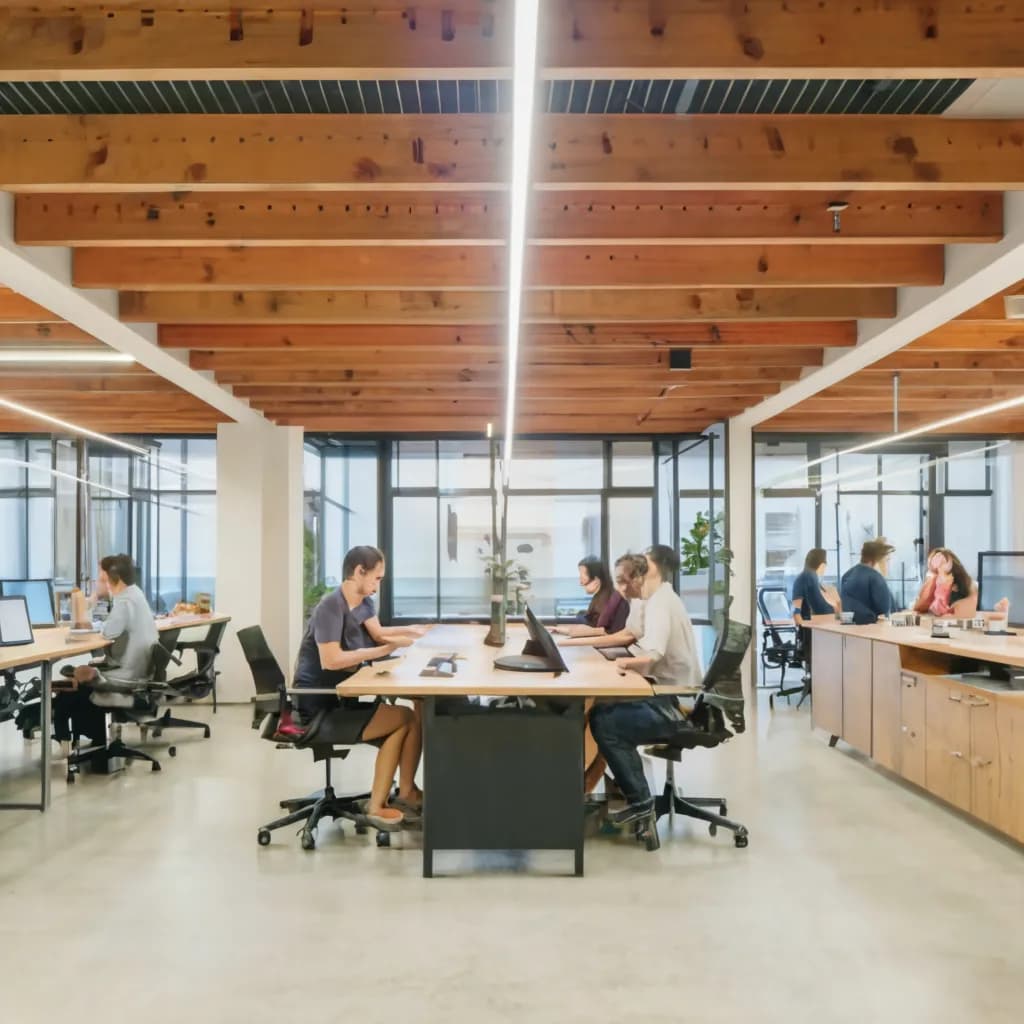
Imagine entering a collaborative workspace with a sprawling open floor plan, where sightlines stretch across the room, and vibrant activity fills every corner. Here, individuals work side by side at communal tables, exchange ideas in casual breakout areas, and collaborate in dedicated project spaces—all within an environment that promotes visibility, accessibility, and collaboration.
One key advantage of open-plan layouts is their ability to break down silos and facilitate cross-functional collaboration. By removing physical barriers and creating shared spaces for interaction, these environments encourage serendipitous encounters, knowledge sharing, and idea generation among diverse teams and disciplines. Moreover, the absence of hierarchical structures fosters a sense of equality and inclusivity, empowering individuals to contribute and collaborate regardless of their role or status.
To enhance collaboration further, architectural elements such as strategically placed seating areas, writable walls, and integrated technology solutions can be incorporated into the design. For example, huddle zones equipped with comfortable seating and multimedia displays provide informal meeting spaces for impromptu discussions, while writable surfaces encourage brainstorming and idea capture in real-time.
By embracing open-plan layouts, collaborative workspaces can create environments that inspire connection, communication, and creativity, fostering a culture of collaboration that drives innovation and success.
- Flexible Environments: Adapting to Evolving Needs and Preferences
In today's fast-paced business landscape, flexibility is essential for creating collaborative workspaces that can adapt to the evolving needs and preferences of occupants. Flexible environments, characterized by modular furniture, movable partitions, and adaptable layouts, empower individuals to tailor their workspace according to their tasks, projects, and moods, fostering a dynamic and responsive work environment.
Imagine entering a collaborative workspace with movable walls that can be rearranged to create private meeting rooms or open collaboration areas, depending on the needs of the day. Here, adjustable desks and ergonomic chairs provide comfort and support for long hours of collaboration, while flexible seating options accommodate diverse workstyles and preferences.
One innovative approach to flexibility in collaborative workspaces is the concept of activity-based design, where different areas are designed to support specific activities and tasks. For example, quiet zones equipped with soundproof booths and comfortable seating offer a retreat for focused work and concentration, while collaborative hubs with writable walls and multimedia displays provide a space for brainstorming and ideation.
Moreover, technology plays a crucial role in enabling flexibility and connectivity in collaborative workspaces. From wireless connectivity and digital collaboration tools to smart lighting and environmental controls, integrated technology solutions enhance productivity and facilitate seamless communication and collaboration among occupants, regardless of their location or device.
By embracing flexible environments, collaborative workspaces can create dynamic and responsive environments that empower individuals to work together effectively, adapt to changing needs, and drive innovation and success.
In conclusion, the role of architecture in creating collaborative workspaces goes beyond just aesthetics—it's about designing environments that foster connection, communication, and creativity. From open-plan layouts that promote visibility and accessibility to flexible environments that adapt to evolving needs and preferences, thoughtful architectural design plays a pivotal role in shaping the way we work together. As businesses continue to prioritize collaboration as a key driver of success, expect to see even more innovative and inspiring examples of collaborative workspaces that leverage architecture to create environments where collaboration thrives.